








كيفية إعداد ركن للصلاة في المنزل: دليل عملي
يحتاج ركن الصلاة إلى نحو 70 × 120 سم من الأرضية الخالية، وقطعة جدارية عند مستوى العين، وتخزين في متناول اليد. إليك طريقة التخطيط.

في هذه الصفحة
يحتاج ركن الصلاة إلى ثلاثة أشياء: نحو 70 × 120 سم (28 × 47 بوصة) من الأرضية الخالية، وقطعة جدارية تحدد الاتجاه، ومكان في متناول اليد للمصحف والسجادة والمسبحة. وما عدا ذلك تحسينات إضافية. لا تحتاج إلى غرفة مستقلة؛ فمعظم الأركان التي ينشئها عملاؤنا تكون في غرفة نوم، أو نهاية ممر، أو بجوار خزانة.
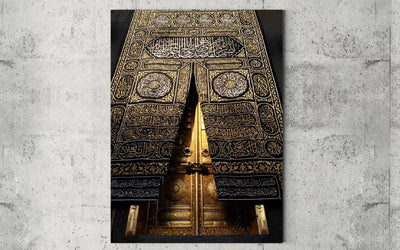
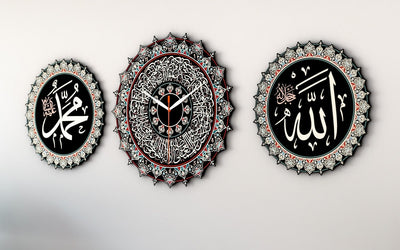
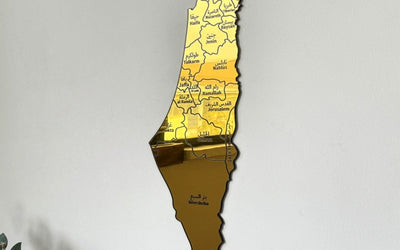
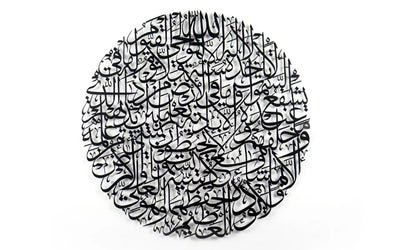
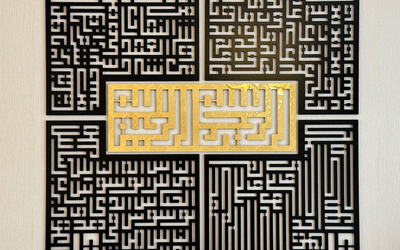
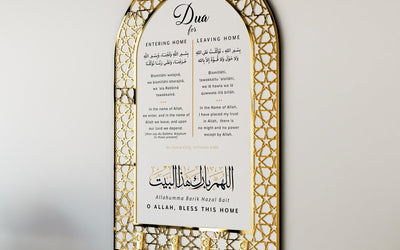
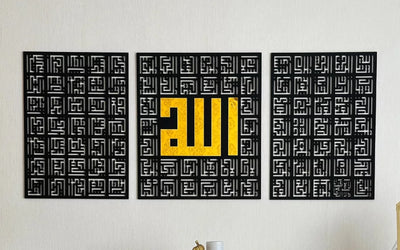
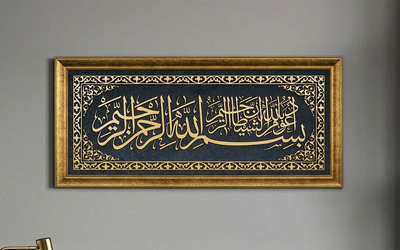
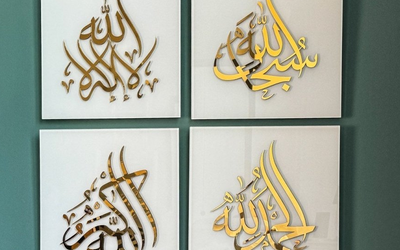
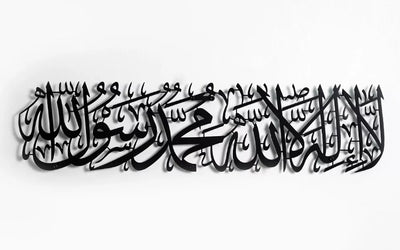
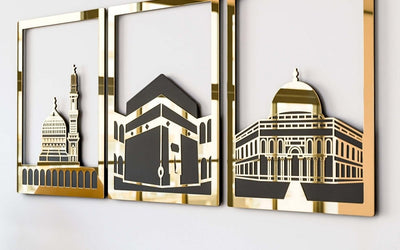
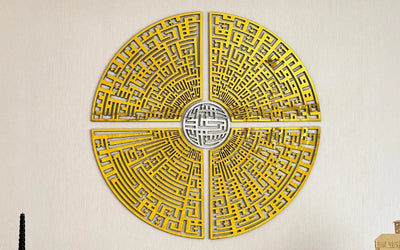
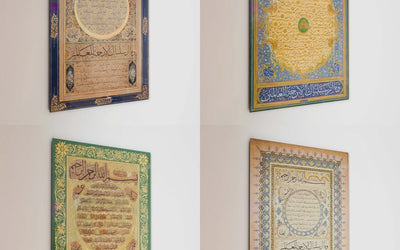
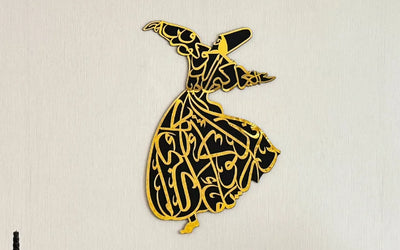
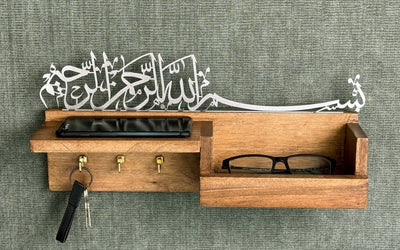
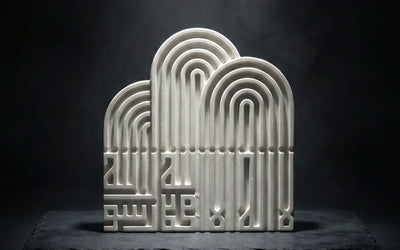
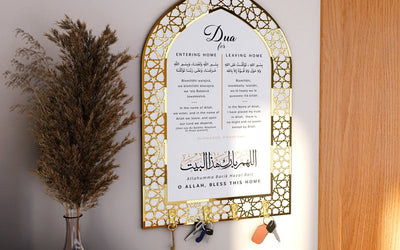
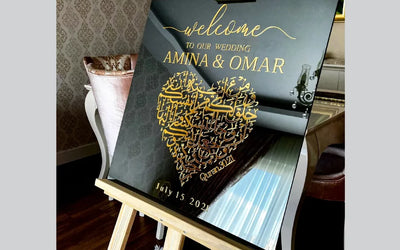
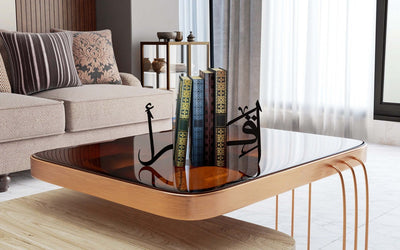
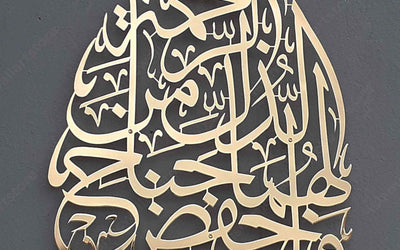
إليك طريقة التخطيط بالترتيب العملي: الأرض أولًا، ثم الجدار، ثم التخزين، ثم الإضاءة. وكل صورة هنا لركن حقيقي في منزل أحد العملاء.
قِس الأرضية قبل أن تشتري أي شيء
أكثر أخطاء التخطيط شيوعًا هو اختيار القطعة الجدارية أولًا، ثم اكتشاف أن مساحة الأرض لا تسمح بسجود كامل.
يتطلب القيام والركوع والسجود مساحة تقارب عرض الكتفين، وطول الجسم من الركبتين إلى الجبهة في وضع السجود. عمليًا:
| الاستخدام | المساحة الأرضية الخالية المطلوبة | ملاحظات |
|---|---|---|
| شخص بالغ واحد | 70 × 120 سم · 28 × 47 بوصة | تناسب سجادة صلاة عادية مع مساحة إضافية قليلة عند الرأس |
| شخص بالغ واحد، بمساحة مريحة | 90 × 140 سم · 35 × 55 بوصة | مساحة لوضع حامل مصحف على أحد الجانبين |
| شخصان بالغان جنبًا إلى جنب | 150 × 140 سم · 59 × 55 بوصة | ينبغي ألا تتلامس الأكتاف |
| أسرة من أربعة أشخاص | 240 × 200 سم · 94 × 79 بوصة | صفّان، في كل صف شخصان؛ اترك عمقًا كافيًا للصف الثاني |
حدّد المساحة على الأرض بشريط الدهان، وجرّبها يومًا قبل اتخاذ القرار. إذا دخل باب خزانة أو مشعّ تدفئة في المستطيل، فانقل الركن بدلًا من تصغيره.
الاتجاه مهم أيضًا: ينبغي أن يتجه الركن إلى القبلة، لذا تحقّق منها بتطبيق بوصلة قبل وضع الشريط. فالركن الموجّه خطأً وبزاوية غير مريحة بالنسبة للغرفة هو ثاني أكثر أسباب الندم التي نسمعها.
اختر القطعة الجدارية وامنح الحجم الأكبر فرصة
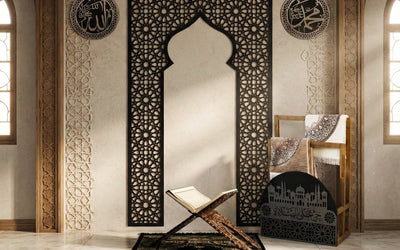
تؤدي القطعة الجدارية وظيفة المحراب: تحدد الاتجاه وتجعل المكان يبدو مقصودًا لا مرتجلًا. ويحقق شكل التجويف أو القبة ذلك بوضوح أكبر من اللوحة المستطيلة، ولهذا تسود التصاميم المقوّسة في هذه الفئة.

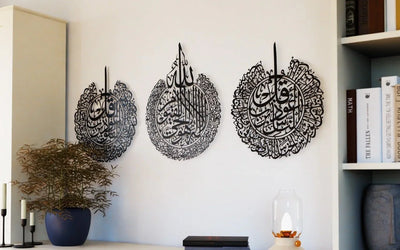
المعروض: لوحة المحراب المقوّسة كاملة الارتفاع هذه باللون الأسود.
هنا تكون بيانات طلباتنا أكثر فائدة من أي نصيحة تنسيق. خلال الأشهر الاثني عشر الأخيرة، اختار المشترون الحجم الأكبر باستمرار:
- بيعت من لوحتنا الخشبية المقوّسة 98 قطعة بقياس 68 × 90 سم مقابل 15 بقياس 56 × 75 سم، أي بنسبة تقارب ستة ونصف إلى واحد.
- وفي الطقم المعدني، تفوق الحجم الكبير على المتوسط بمبيعات 36 مقابل 26.
هذا النمط ثابت بما يكفي للاستفادة منه في التخطيط. فاللوحة التي تبدو كبيرة في صورة المنتج قد تبدو متواضعة على جدار يبعد مترين، ويفقد القوس تأثيره إذا كان صغيرًا إلى حد لا يبدو معه كتجويف. إذا كنت تختار بين حجمين، فاختر الأكبر.
وتُظهر البيانات أمرًا ثانيًا: المجموعات تتفوق على القطع المنفردة. فقد حققت التكوينات التي تجمع القوس مع قطع أصغر مكمّلة 39 عملية بيع، مقابل 23 للقوس وحده. فالناس لا يشترون غرضًا فحسب، بل يؤلفون مشهدًا على الجدار.
ارتفاع التعليق
علّق مركز القوس عند مستوى العين أثناء الوقوف، أي على ارتفاع نحو 150–160 سم (59–63 بوصة) من الأرض. وهذا أقل من ارتفاع العرض في المعارض للأعمال الجدارية العادية، وهو مقصود: فالقطعة تُرى أثناء القيام والركوع والجلوس، وتعليقها أعلى من اللازم يخرجها من مجال النظر خلال معظم الصلاة.
تُستثنى اللوحات كاملة الارتفاع؛ فهي تبدأ من وزرة الجدار إلى أعلى وتبدو كمدخل لا كغرض معلّق.
التركيب في الزوايا

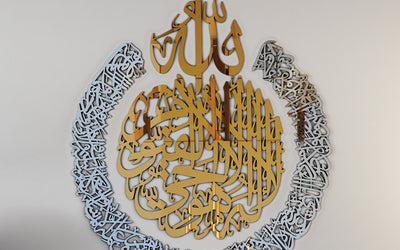
المعروض: هذا المحراب الخشبي الهندسي باللون الأسود.
ليس في كل غرفة جدار مستوٍ متاح. وغالبًا ما يكون تركيب لوحتين حول زاوية داخلية السبيل الوحيد لإدخال قوس كامل الارتفاع إلى غرفة نوم مؤثثة، مع تحويل المساحة المهملة إلى مركز بصري.
ثلاث ملاحظات عملية: قِس الجدارين، لأن القوس لا يظهر صحيحًا إلا إذا كان نصفاه على الارتفاع نفسه تمامًا؛ والزاوية الداخلية عادةً أفضل خط مرجعي قائم في الغرفة، ما يسهل ضبط الاستواء؛ واترك الأرض أمامه خالية تمامًا، لأن تركيب الزاوية يجذب العين إلى أسفلها.
اجعل التخزين في متناول اليد
الركن الذي يضطرك إلى جلب الأشياء من غرفة أخرى يقل استخدامه تدريجيًا. ينبغي أن تكون كل المستلزمات في متناولك من مكان وقوفك.

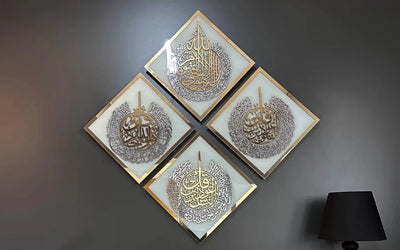
المعروض: المحراب الداخلي بنجمة ذات 8 رؤوس.
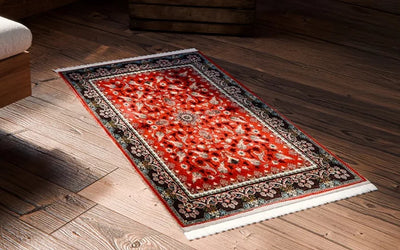
- سجادة. سجادة مخصصة تبقى في مكانها أفضل من أخرى مطوية في خزانة. يبلغ قياس سجادنا نحو 70 × 110 سم، ويناسب المساحة الموضحة في الجدول.
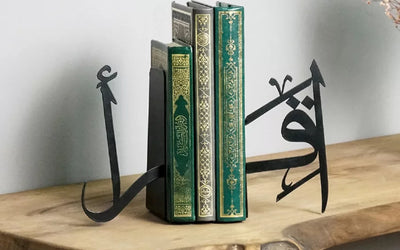
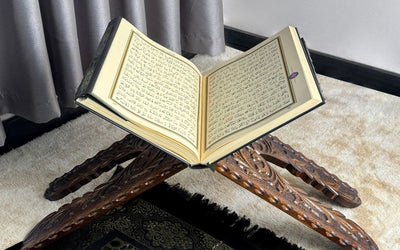
- حامل مصحف. يشغل رحل خشبي قابل للطي مساحة أرضية ضئيلة، ويحافظ على ارتفاع المصحف عن الأرض.
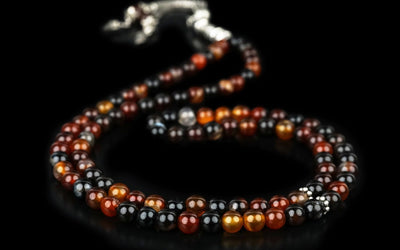
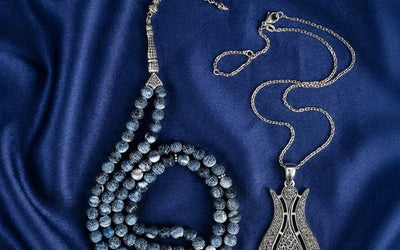
- مسبحة. يكفي خطاف أو طبق صغير بجوار القطعة الجدارية؛ أما المسبحة المتروكة في درج فتُنسى.
- مكان يجمعها كلها. إذا كان الركن في غرفة مشتركة الاستخدام، فإن حاملًا يجمع تخزين السجادة والمسند يبقي الأرض خالية بين الصلوات، وهو غالبًا ما يتيح استمرار الركن في غرفة المعيشة أو النوم.
أضئ الركن بصورة مستقلة عن الغرفة
تُسطّح إضاءة السقف مظهر اللوحة المعدنية أو الخشبية ذات الملمس البارز، وتلقي ظلك على السجادة. وهناك حلان، وكلاهما مناسب:
- مصباح لوحات صغير أو كشاف مائل فوق القطعة الجدارية، بلون أبيض دافئ (2700–3000 كلفن). فالضوء المماسّ للمعدن المقطوع أو السطح المنحوت هو ما يُظهر البروز.
- مصباح أرضي إلى أحد الجانبين، وليس خلفك مباشرةً. فوضعه خلفك يلقي ظلك على الجدار في موضع نظرك تمامًا.
يتفاعل التشطيب مع الضوء أكثر مما يتوقع الناس. فاللوحة السوداء المطفية تمتصه وتحتاج إلى مصدر مخصص لإظهار عمقها، بينما يلتقط الذهبي المصقول أو التشطيب المرآتي ضوء الغرفة الموجود ويمكن أن ينعش زاوية معتمة بمفرده. وتتوفر بعض القطع المقوّسة بإضاءة LED خلفية مدمجة، ما يلغي الحاجة إلى اختيار وحدة منفصلة ويمنح الجدار هالة ناعمة، وهو مفيد في غرفة نوم قد يزعجها كشاف ساطع ليلًا.
النسخة المناسبة للشقة الصغيرة
إذا كنت مستأجرًا أو كانت المساحة محدودة، فعادةً ما يكون القيد في الجدار لا الأرضية.

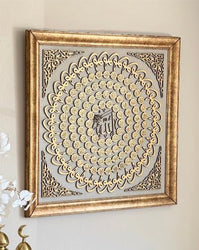
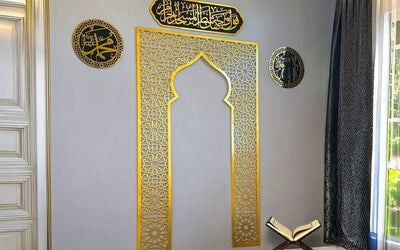
المعروض: المحراب الداخلي بنجمة ذات 12 رأسًا بالذهبي اللامع.
- من دون حفر: يمكن تعليق الألواح الخفيفة من الخشب والأكريليك بشرائط لاصقة قوية تتجاوز قدرتها التحميلية وزن القطعة بكثير. أما القطع المعدنية بقياس 68 × 90 سم فأكثر فتحتاج عادةً إلى تثبيت؛ تحقّق من الوزن على صفحة المنتج قبل الافتراض.
- خلف باب: الجدار الذي ينفتح الباب نحوه يكون غالبًا الجدار الوحيد غير المستخدم في غرفة نوم صغيرة. وهو مناسب بشرط ألا تدخل حركة الباب في مستطيل 70 × 120 سم.
- الإسناد بدل التعليق: اللوحة كاملة الارتفاع المسندة إلى الجدار خلف خزانة منخفضة لا تحتاج إلى تثبيت، ويمكن نقلها معك. ثبّت حافتها العليا إذا كان في المنزل أطفال.
- رأسيًا لا أفقيًا: يناسب القوس المساحة الضيقة تحديدًا لأنه يستفيد من الارتفاع بدل العرض.
قائمة التحقق
قبل الشراء:
- حدّد مساحة 70 × 120 سم على الأرض بالشريط وجرّبها يومًا كاملًا
- تأكد من اتجاه القبلة بتطبيق بوصلة ومن محاذاة المستطيل له
- قِس عرض الجدار فوق المستطيل، واطرح 20 سم لترك مساحة بصرية حول القطعة
- اختر القطعة الجدارية؛ خذ الحجم الأكبر إذا ترددت بين حجمين
- تحقّق من أن مركز القطعة سيكون على ارتفاع 150–160 سم، أو خطّط للوحة كاملة الارتفاع تبدأ من الوزرة
- تحقّق هل تحتاج القطعة إلى تثبيت جداري، أم تصلح للاصق، أم يمكن إسنادها
- خطّط لمكان السجادة والمصحف والمسبحة عندما لا تكون قيد الاستخدام
- حدّد مصدر الإضاءة وتأكد من أنه ليس خلفك
تأتي جميع العناصر المذكورة في هذا الدليل من مجموعة غرفة الصلاة، التي تجمع الأقواس والسجاد والحوامل والمسابح في مكان واحد، مع الأبعاد على صفحة كل منتج.
ملاحظة بشأن نطاق الدليل: يقتصر هذا الدليل على التخطيط والقياس والتركيب. أما مسائل الممارسة الدينية، ومنها مكان عرض النصوص القرآنية وطريقته في المنزل، ففيها اختلاف بين العلماء؛ لذا نشجعك على الرجوع إلى عالم موثوق في منطقتك بدلًا من أخذ الإرشاد الديني من متجر.
الصور لمنازل عملاء حقيقيين، وقد نُشرت بإذنهم. أرقام الطلبات مأخوذة من بيانات متجرنا للأشهر الاثني عشر المنتهية في سبتمبر 2026. أُعدّ هذا المقال بمساعدة الذكاء الاصطناعي وراجعه أحد أعضاء فريق IWA Concept قبل النشر.


ترك تعليق